

Why Should the Operating Room HVAC System Be Customized?
Learn the importance of a custom operating room HVAC system in maintaining air pressure, temperature, humidity, and filtration according to hospital needs.
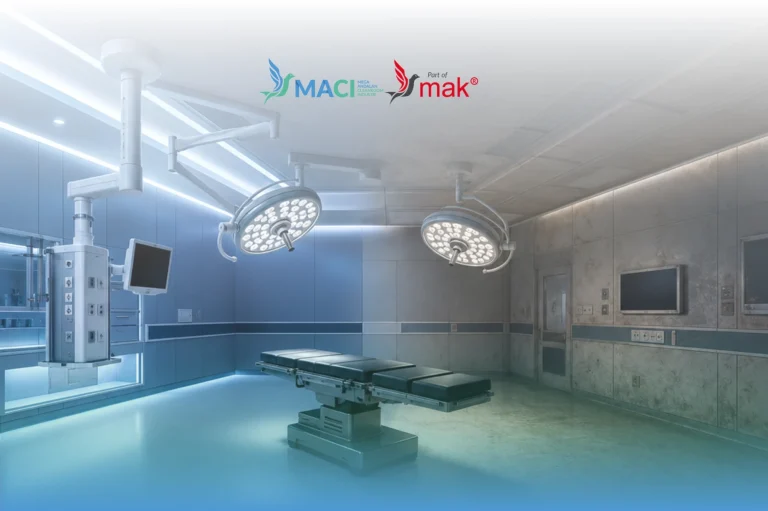
As previously discussed, the operating room, including the modular operating theatre, is one of the most crucial areas in a hospital. Therefore, every detail of the system within it must be designed with precision.
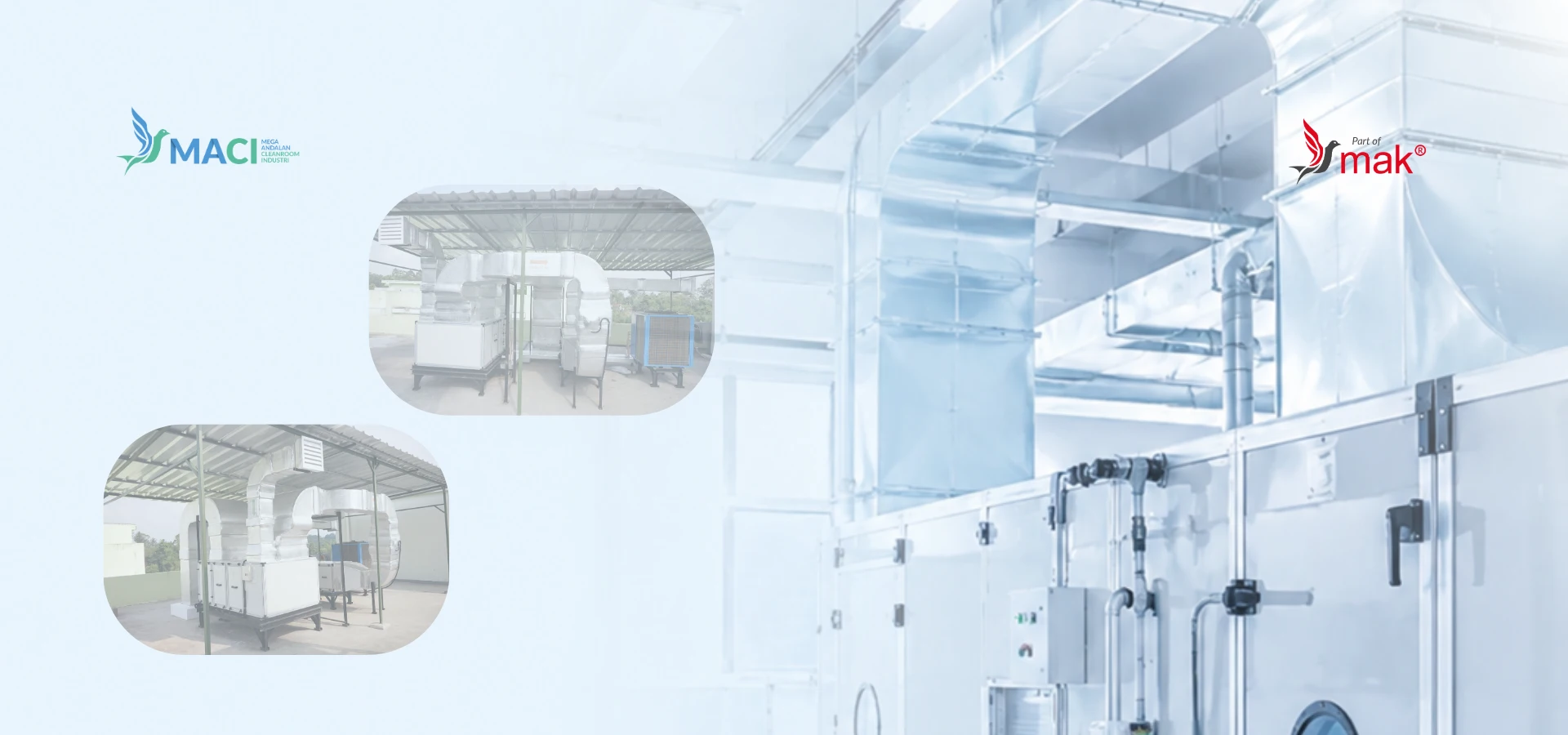
One system that plays a very important role is the operating room HVAC system. This system is responsible for regulating air quality, temperature, humidity, as well as air pressure and airflow. If this system experiences a disruption, the surgical procedure will also be affected.
Why Should the Operating Room HVAC System Be Custom-Built?
Not many people know that the HVAC system in every operating room is different. How is that possible? Although they are all operating rooms, the needs of each hospital can vary. Therefore, the operating room HVAC system cannot be built with one single design for all requirements.
Referring to ASHRAE Standard 170 on Ventilation of Health Care Facilities, the ventilation system in healthcare facilities needs to be designed based on the function of the room. This means that even within medical areas, ventilation requirements must be adjusted according to the activities and risks inside the room. So, it cannot be generalized.
Factors That Make the Operating Room HVAC System Need to Be Custom-Built
1. The Function of the Operating Room Can Be Different
Not all operating rooms are used for the same procedures. There are operating rooms for general surgery, orthopedic surgery, infectious procedures, major surgeries, and special procedures that require more specific environmental conditions.
Therefore, the design of the operating room HVAC system must be adjusted to the function of the room. A system that is suitable for one room may not necessarily be suitable for another. This is why a copy-paste design approach is not ideal for hospital surgical facilities.
2. Air Pressure Needs to Be Controlled
One important aspect of HVAC is air pressure regulation. In the operating room, air pressure needs to be designed so that air movement remains controlled and does not carry contaminants from less clean areas into more sterile areas.
This is where Operating Room air pressure becomes an important factor. If the pressure is not stable, the quality of the room environment can be disrupted. As a result, the system that should help maintain the operating area may not work optimally.
3. Temperature and Humidity Cannot Simply Be Made Cold
The operating room does need to feel comfortable for the medical team. However, comfort is not the only purpose of HVAC. Temperature and humidity must be maintained within an appropriate range so that they do not interfere with the performance of medical staff, equipment, or room conditions.
If the temperature is too low, the medical team may feel uncomfortable when working for long durations. On the other hand, if humidity is not controlled, the room conditions may become less ideal for a medical area. Therefore, the operating room HVAC system needs to be designed based on operational needs, not merely to make the room feel cool.
4. Air Filtration Must Match the Risk
In the operating room, the air entering the room needs to go through the proper filtration process. This filtration helps reduce airborne particles and supports a cleaner operating environment.
For certain needs, an operating room HEPA filter becomes an important part of the air control system. However, the use of filters also needs to be adjusted to the overall system design, including air capacity, ducting routes, and room requirements.
5. Airflow Direction Must Be Calculated
In addition to air quality, airflow direction also needs to be properly designed. Air should not move randomly because it can affect the stability of the operating room environment.
This is why operating room air management is an important part of surgical facility planning. Every airflow route, supply air position, return air position, and ducting system needs to be calculated so that air distribution can be more controlled.
Risks If the Operating Room HVAC System Is Not Custom-Designed
1. Uneven Air Distribution
If the operating room HVAC system is built with a standard design, air distribution inside the room can become uneven. Some areas may feel too cold, while other areas may not receive enough airflow.
In fact, in an operating room, air must move in a controlled pattern so that the Quality of the environment remains stable during medical procedures.
2. Unstable Room Pressure
Air pressure is one of the important factors in an operating room. If the pressure is not designed properly, the direction of air movement can be disrupted.
This condition can allow air from less clean areas to enter areas that should be more sterile. As a result, the function of the operating room as a controlled medical environment can also be affected.
3. Temperature and Humidity Are Difficult to Control
An operating room requires stable temperature and humidity. If the HVAC system is not built according to the room’s needs, the room conditions may become too cold, too humid, or simply less comfortable for the medical team.
Uncontrolled temperature and humidity can also affect work comfort, system performance, and the overall quality of the operating room environment.
4. The Risk of Contamination Can Increase
An HVAC system that is not properly designed can make air control less optimal. From filtration, pressure, to airflow direction, all of these factors play a role in helping reduce the risk of contamination.
Therefore, an operating room cannot use an HVAC system that is treated the same as an ordinary room. The system must be specifically planned so that it matches the function and risk level of the medical area.
5. Repair Costs Can Be Higher
Design mistakes from the beginning often require hospitals to make adjustments later. These may include ducting, filters, system capacity, control panels, and air pressure settings.
If this happens after the operating room has been completed, the repair costs and time required can be greater than if the system had been custom-designed from the start.
Why Choose PT MACI for Your Operating Room HVAC System?
1. Designed According to Facility Needs
PT MACI understands that every hospital has different operating room requirements. Therefore, the planning of the operating room HVAC system is carried out by considering the function of the room, procedural risks, layout, technical needs, and integration with other systems within the facility.
This approach helps hospitals obtain a more suitable system, not merely a cooling system installed in the operating room.
2. Integrated with the Operating Room System
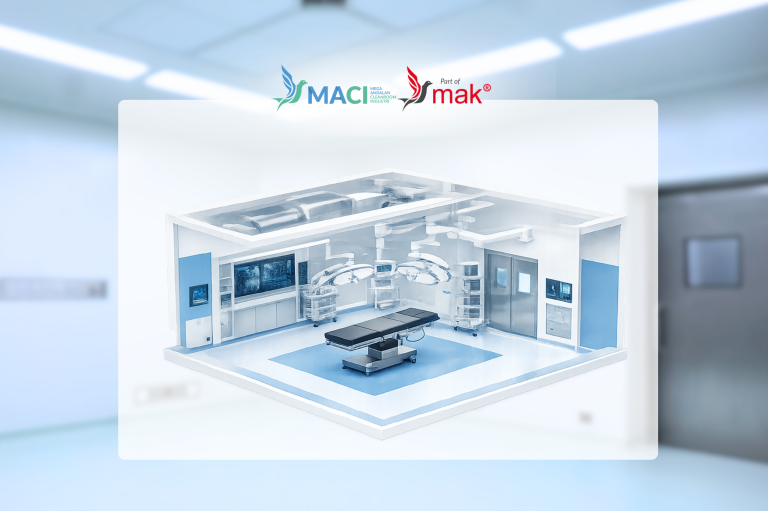
As an Indonesian cleanroom contractor, PT MACI does not only handle one room component. In operating room projects, the HVAC system can be integrated with the room structure, ducting, electrical systems, medical gas, wall panels, hermetic doors, PLC Smart System, medical equipment, and scrub station.
This integration is important because the operating room is a complete system. If it is handled separately without proper coordination, the risk of mismatch between components can increase.
3. Refers to Standards and Testing Processes
In the development of medical facilities, PT MACI also pays attention to applicable technical references, including requirements related to hospital HVAC standards. In addition, before handover, the project also goes through a testing and commissioning process to ensure that every system works according to its planned function.
In the end, the operating room HVAC system must be custom-built because the operating room has different needs from ordinary rooms. This system is not only responsible for providing cool air, but also for helping maintain air quality, pressure, temperature, humidity, filtration, and the stability of the medical environment.
With the right design, hospitals can have an operating room that is safer, more efficient, and ready to support medical procedures. Together with PT MACI, operating room HVAC development can be designed in a more integrated way as part of an operating room system that meets the needs of healthcare facilities.